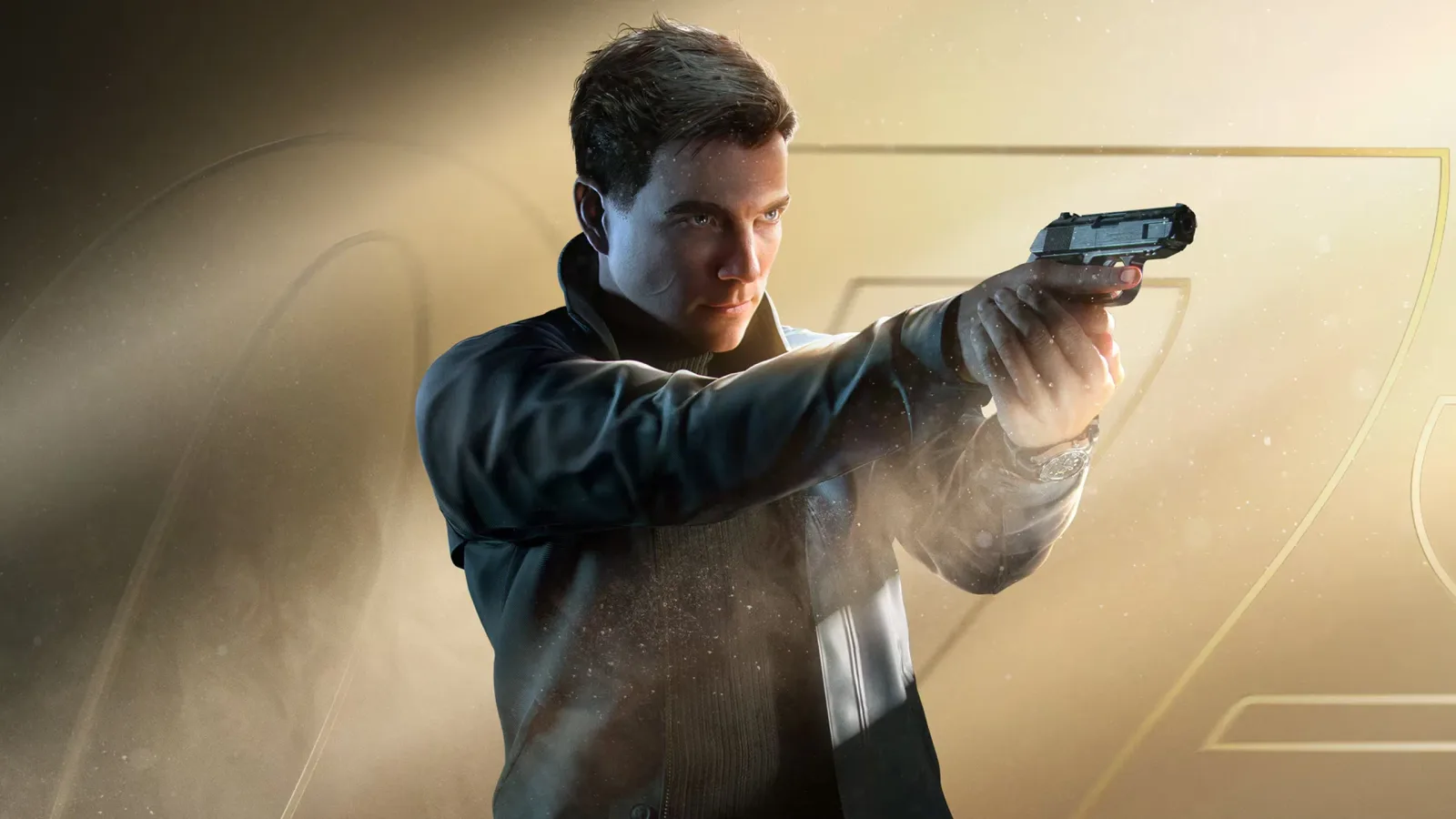
The Deal That Changed Everything, IO's Self-Publishing Victory and Amazon's IP Control
The key to understanding this story lies in timing. IO Interactive struck its deal to develop a James Bond game in November 2020, when the IP was still under the stewardship of MGM and the Broccoli/Wilson family. That agreement predated Amazon’s acquisition of MGM, a deal announced in May 2021 and closed in March 2022 for $8.45 billion. Because IO’s contract was signed before the acquisition, the studio retained the right to self-publish First Light. It was a rare and valuable privilege in an era where major IP holders increasingly demand control.
Everything changed in February 2025, when Amazon MGM Studios gained full creative control of the Bond franchise after a deal with Barbara Broccoli and Michael G. Wilson. From that point forward, Amazon held the keys to 007 across film, television, and video games. First Light was already deep in development, so it proceeded under existing terms. But the sequel? That would be a different story.
Gattis did not mince words. “The next Bond game will be a continuation of the relationship we have with IO, but it will be done by MGM and, theoretically, by Amazon Game Studios,” he told Polygon. The word “theoretically” softens the edge, but the direction is clear: Amazon intends to centralize publishing of its most valuable IP.
What “Theoretically” Means for IO Interactive’s Role
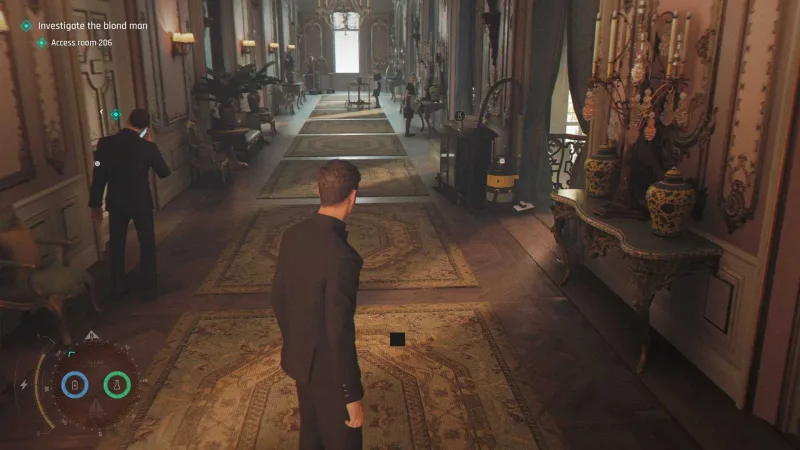
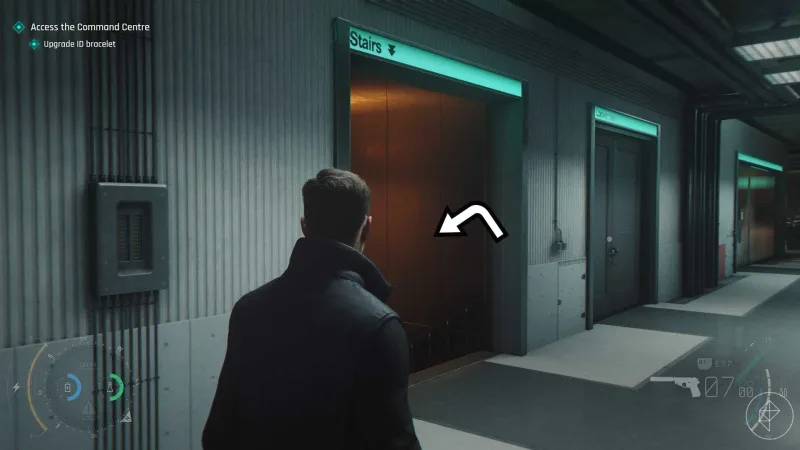
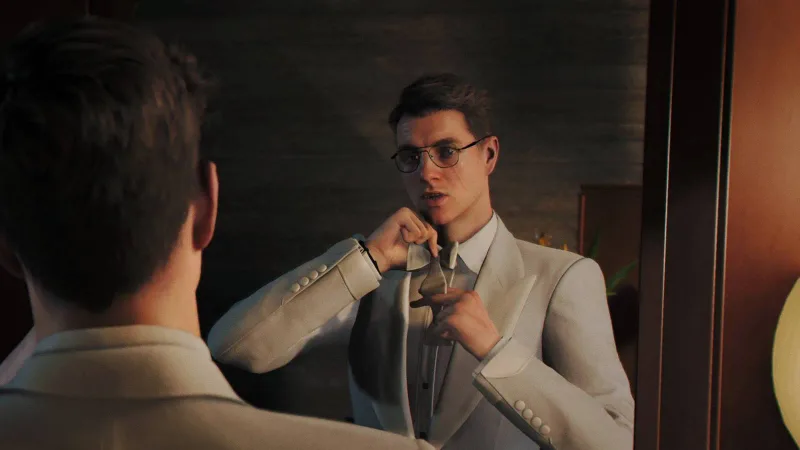
The word leaves a sliver of ambiguity. Could IO Interactive still develop future Bond games? Yes. The studio’s Glacier engine, built and owned by IO, powered First Light’s acclaimed stealth-action gameplay. The team has expertise in the franchise’s tone, pacing, and world design. It would be both practical and creatively sound to keep IO as the developer.
But the relationship would be fundamentally different. IO would become a work-for-hire studio, surrendering the publishing independence it fought to maintain after splitting from Square Enix. IO famously chose to retain full ownership of its tools and projects. Giving up publishing control of a franchise it helped define would be a significant concession.
IO had previously stated its intention to create a trilogy of 007 games. The “James Bond will return” title card in First Light clearly teases a sequel. But now, IO’s ability to shape that sequel’s direction, scope, and release schedule is contingent on Amazon’s approval. The studio may still be behind the wheel, but Amazon is holding the map and the keys to the fuel station.
Amazon’s Cross-Media Strategy, Bond as the Next Tomb Raider
Gattis’s comments reveal that Amazon sees Bond games not as standalone products, but as components in a larger transmedia machine. “We see a lot of value in the continued integration of video and movies and video games,” he said, explicitly comparing Bond to Amazon’s Tomb Raider strategy. In that model, a Prime Video television show runs alongside video game releases, with characters, storylines, and release timing coordinated across media.
This is a playbook Amazon has been building for years. The Tomb Raider franchise is being revived with a TV series and two new games: Legacy of Atlantis and Catalyst. Amazon wants to replicate that synergy with Bond. Future Bond games may tie directly into the broader Bond cinematic universe that Amazon is constructing for film and television. Imagine a game set between seasons of a Prime Video Bond series, or one that introduces a villain who later appears in a movie. The potential for shared continuity is enormous.
For players, this means that the next 007 game might not be a purely IO Interactive vision. It could be a product designed to serve a corporate synergy strategy, with creative decisions guided by what works for TV and film, not just what works for a video game. That is a double-edged sword. On one side, more resources, bigger budgets, and integrated marketing. On the other, less creative independence and a risk of feeling like an extended advertisement for a streaming show.
What might this mean in gameplay terms? Based on Amazon’s Tomb Raider model, expect a shift toward:
- More linear, cinematic set-pieces that align with television season arcs.
- Stealth-heavy, open-ended sandbox design could give way to guided sequences that introduce characters or locations destined for a Prime Video series.
- Shared villain continuity might tie the game directly to the broader Bond universe, with DLC that bridges game and show.
- The freedom of IO’s sandbox may be traded for a more controlled, connected experience.
The Numbers Behind the Shift, First Light’s Success and Its Leverage
First Light’s performance gave IO significant leverage. Selling 1.5 million copies in 24 hours is a resounding commercial validation. The 89 OpenCritic and 88 Metacritic scores are a critical validation. IO proved that a high-quality, story-driven Bond game can be a major hit. That proof of concept makes the franchise even more valuable to Amazon.
The financial stakes for any sequel are high. Industry analysts have floated development cost estimates ranging from $140 million to over $200 million, though neither figure has been officially confirmed. Regardless of the exact number, a AAA Bond game requires massive investment, and Amazon will want to control the return. By bringing publishing in-house, MGM and Amazon Game Studios can capture a larger share of revenue, merchandise licensing, and cross-promotional opportunities.
For IO, the upside shrinks. Self-publishing First Light meant the studio kept the majority of profits after platform fees. As a developer under Amazon’s publishing umbrella, IO would likely receive a smaller cut, though it would also face less financial risk. That trade-off may be necessary for the studio to continue working on Bond, but it marks a shift from independence to subcontracting.
What’s Next for Bond Gaming?
Gattis’s comments confirm the sequel is in development, though unannounced, under MGM/Amazon publishing. The most likely scenario is that IO Interactive continues as developer, working on the Glacier engine they know best. But other possibilities exist. Amazon could assign the project to one of its internal studios, partner with another external developer, or pursue a co-development deal. The “James Bond will return” tagline may remain true, but the studio behind that return is no longer guaranteed.
Fans face an uncomfortable uncertainty. IO’s Hitman-style approach to Bond, focused on open-ended stealth, sandbox levels, and player-driven storytelling, defined First Light’s unique identity. That creative freedom may be reshaped to fit Amazon’s broader strategy. The result could be a larger, more cinematic Bond game with deeper ties to film and TV, or it could be a more constrained, formulaic entry in a corporate universe.
A License to Thrill or a License to Worry?
The “theoretically” in Gattis’s statement leaves room for interpretation, but the direction is clear. Amazon is taking control of Bond games as part of a larger transmedia play. IO Interactive delivered a breakout hit that redefined what a modern Bond game can be, but its future in the franchise is now contingent on Amazon’s terms.
For players, the next 007 game may be bigger, more connected to film and TV, and less independent. Whether Amazon steers Bond toward a blockbuster synergy or a creative crash remains the open question. One thing is certain: the next chapter of Bond gaming will be written in Seattle, not Copenhagen. And the final cut will belong to Amazon.

Comments
Join the Conversation
Share your thoughts, ask questions, and connect with other community members.
No comments yet
Be the first to share your thoughts!