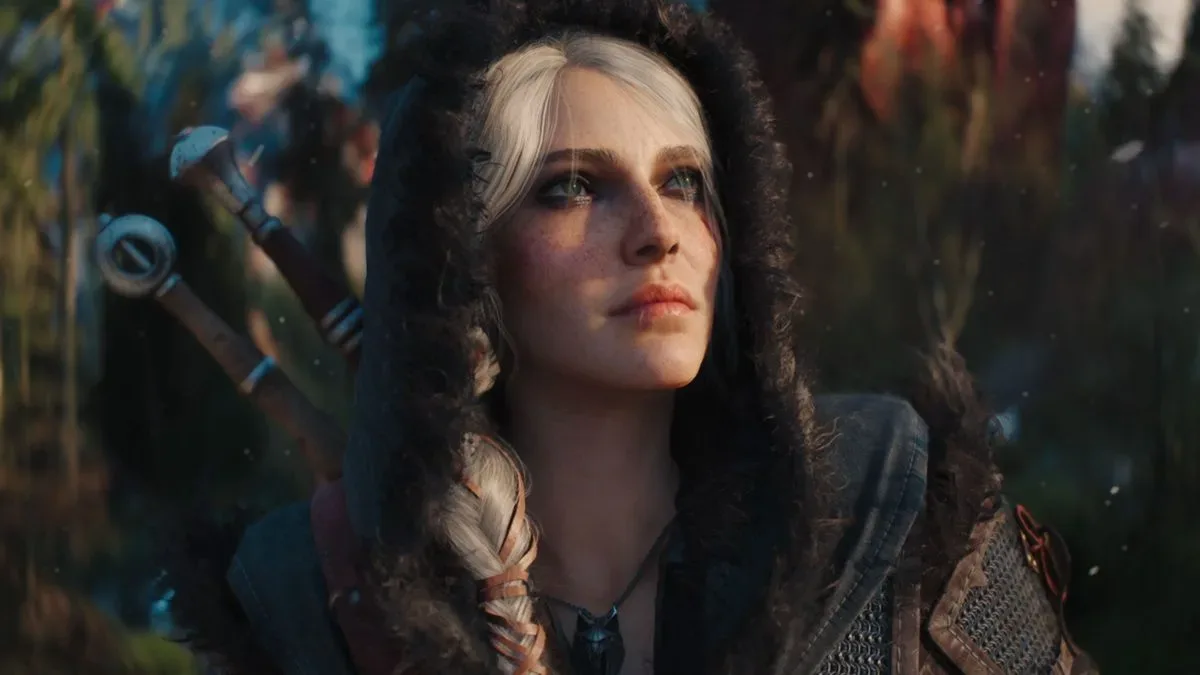
Ten years after Geralt rode into the sun-drenched duchy of Toussaint, Blood and Wine still stands as the gold standard for what a role-playing game expansion can achieve. But the beloved DLC that gave us knights, vampires, and one of gaming's most memorable farewells nearly launched under a name that sounds more like a cathedral's chime than a tale of dark intrigue. In a recent anniversary stream, lead quest designer Paweł Sasko revealed that Blood and Wine was internally known as Bells of Beauclair for the majority of its development. The last-minute switch to the now-iconic title was just one of several creative pivots the team made while racing against a punishing deadline. Let's raise a glass to the untold story behind one of gaming's greatest expansions.
'Bells of Beauclair', The Name That Almost Was
The original working title, Bells of Beauclair, was abbreviated internally as "BoB" and stuck with the development team for much of production. Sasko shared this detail during CD Projekt Red's official 10-year anniversary stream for Blood and Wine, a celebration that included a blog post on the studio's website and a wave of behind-the-scenes disclosures. "We had 'Bells of Beauclair' for a long time," Sasko recalled, "but it didn't feel right, it didn't capture the contrast between the fairy-tale setting and the grim story underneath." The change occurred midway through development because the team wanted a title that was easier to pronounce and, more importantly, "more captivating", one that better reflected the narrative heart of the expansion.
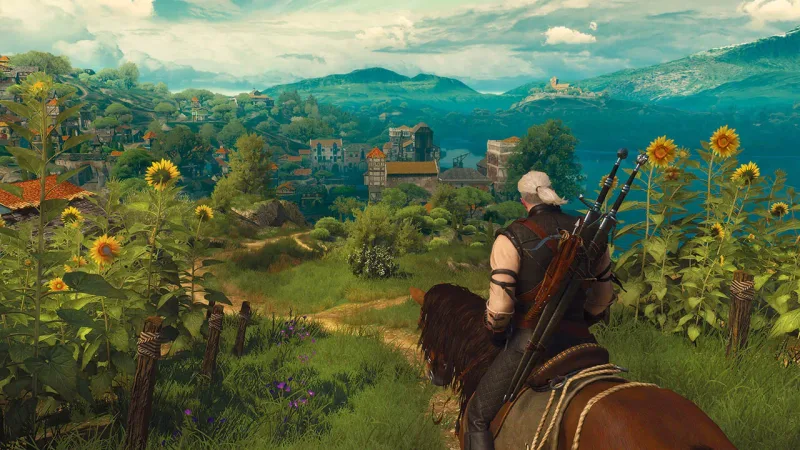
Blood and Wine is a masterclass in contrast. Its name evokes both the crimson violence of the expansion's vampire-driven plot and the rich, sunlit vineyards of Toussaint. Bells of Beauclair, by comparison, feels more atmospheric and less evocative of the story's duality. Sasko noted that the final title simply clicked, capturing the expansion's blend of gothic horror and pastoral charm in two words. The revelation quickly spread across social media, with fans marveling at how close the game came to wearing a very different banner.
A 'Hardcore' 7-Month Marathon
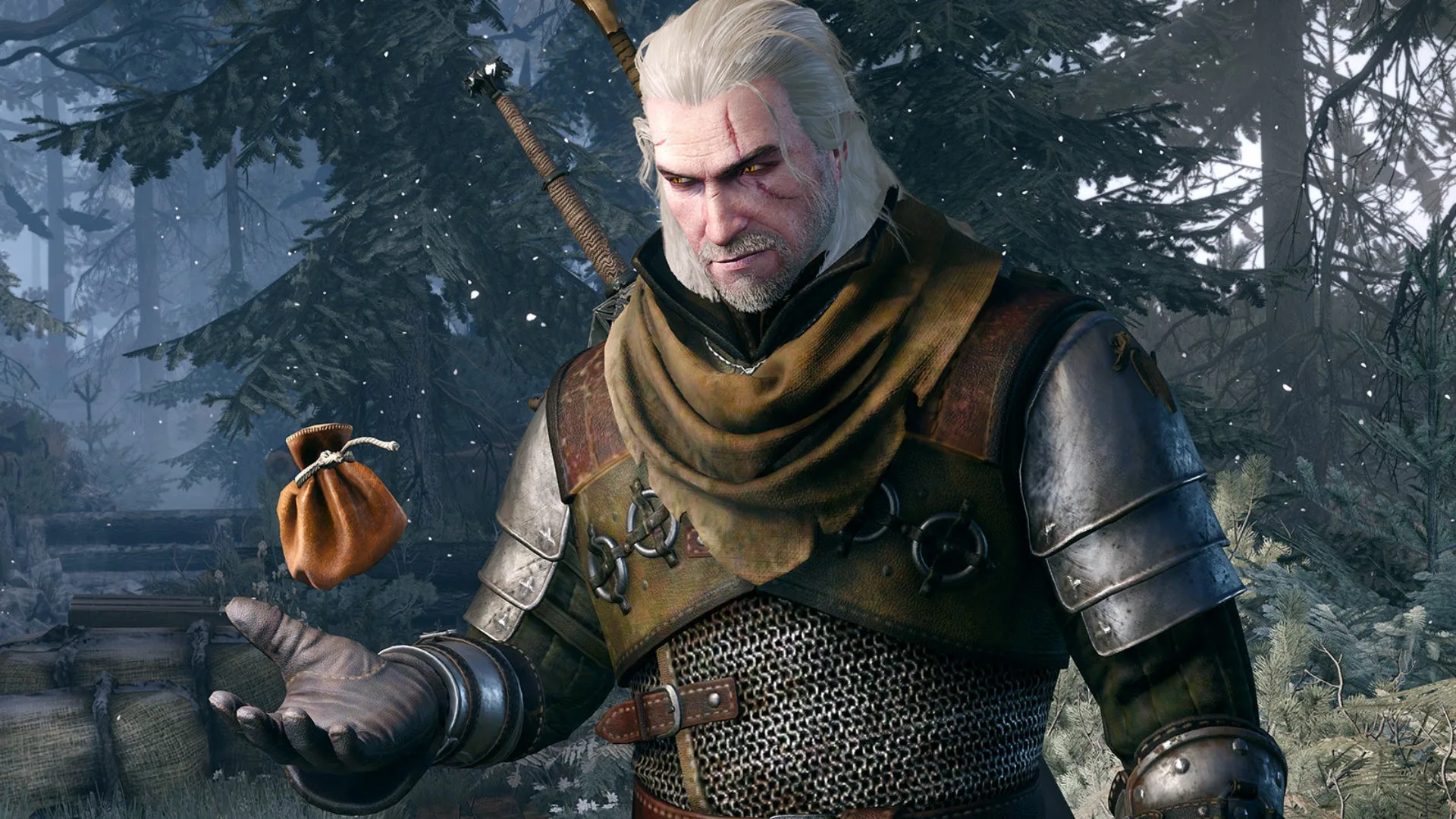
Blood and Wine was developed in roughly seven months, an incredibly tight timeline even by CDPR's standards. Sasko described the schedule as "hardcore" and admitted the team had to "change strategy" to deliver on time. The pressure stemmed from the studio's shift in resources toward Cyberpunk 2077 after the release of Hearts of Stone, the first expansion for The Witcher 3. Unlike Hearts of Stone, which was more compact, Blood and Wine required an entirely new region, a fully voiced 30-hour story, and dozens of side quests, a far larger undertaking that demanded the full team's focus. Despite the crunch, the team managed to create a sprawling new region without sacrificing quality.
The result speaks for itself. Blood and Wine won Best RPG at The Game Awards 2016 and is regularly cited as one of the best DLC expansions ever made. Yet Sasko's recollections paint a picture of a team operating at the very edge of burnout. "Not enough time, can't afford it," he recalled during the stream, referencing the constant trade-offs required to finish the game. Those constraints, however, forced the designers to focus their energy on what mattered most, and, in many ways, that pressure shaped the expansion into the compact masterpiece it became. While the result was celebrated, Sasko's candidness also echoes the studio's history with crunch, a topic CDPR has publicly committed to addressing going forward.

Cut Content & Darker Origins
The seven-month sprint also meant cutting ideas that didn't fit. Sasko confirmed that a planned druid forest was removed due to insufficient development time, a location that could have added a mystical, nature-focused region to Toussaint. More intriguingly, the expansion's initial tone was conceived as far darker and gloomier. Early concepts leaned into the tragic undertones of the fairy-tale inspiration, exploring a bleaker version of the land of knights and monsters. The team ultimately pivoted to the brighter, more vibrant Toussaint we know, a conscious decision to offer a respite from the war-ravaged world of the base game.
Toussaint itself wasn't even the original setting. The location and its distinctive aesthetic evolved later in production, as the team realized that a sun-drenched, pastoral duchy would provide the perfect backdrop for a story about honor, betrayal, and the lingering shadows of the past. These nearly-included elements highlight how the final vision was forged not just from creative ambition but from ruthless prioritization. In a development environment where every feature had to earn its place, the team made the hard calls that ultimately defined Blood and Wine's identity.
A Legacy Forged in Change
CD Projekt Red officially marked Blood and Wine's tenth anniversary with a special stream, a blog post, and Sasko's candid revelations. The disclosures arrived amid a renewed surge of interest in The Witcher 3, spurred by the studio's ongoing work on a new saga set in the same universe. The anniversary has sparked conversations about how the 2016 expansion set an almost impossibly high bar for post-launch content, a legacy CDPR now aims to match across its growing slate of projects.
Blood and Wine's journey from "Bells of Beauclair" to the iconic masterpiece we know is a testament to the power of decisive creative shifts, even under impossible deadlines. The name change, the cut druid forest, the tone adjustment, all remind us that the best games are often forged in the fires of constraint. As CDPR continues to chart the future of The Witcher, the story of what Blood and Wine nearly was, and what it became, serves as a compelling chapter in the series' enduring legend. The bells of Beauclair never rang, but the wine is just as sweet a decade on.

Comments
Join the Conversation
Share your thoughts, ask questions, and connect with other community members.
No comments yet
Be the first to share your thoughts!